
Optimizing Localization for Life Sciences
Expanding into new markets in the life sciences sector requires more than just translating documents. It demands precise localization that respects cultural nuances, regulatory requirements, and scientific accuracy. When companies enter Hebrew, Arabic, and Baltic markets, they face unique challenges that call for specialized solutions. I want to share insights on how to optimize localization for life sciences to ensure your content is clear, compliant, and effective.
Localization in life sciences is not just about language. It involves adapting medical content, clinical trial documents, regulatory submissions, and marketing materials to fit the target culture and legal framework. This process helps avoid costly errors and speeds up product launches.
Understanding the Challenges of Life Sciences Localization
Life sciences content is complex. It includes technical terms, regulatory language, and sensitive patient information. When localizing for Hebrew, Arabic, and Baltic languages, several challenges arise:
Language structure and script: Hebrew and Arabic are right-to-left languages with unique alphabets. Baltic languages like Latvian, Lithuanian, and Estonian have distinct grammar and vocabulary. This affects layout, formatting, and readability.
Regulatory compliance: Each region has strict rules for medical content. Documents must meet local health authority standards, which vary widely.
Cultural sensitivity: Medical information must be presented respectfully. For example, certain health topics may be taboo or require specific phrasing.
Scientific accuracy: Terminology must be precise to avoid misunderstandings that could impact patient safety or product approval.
These challenges mean that simple translation is not enough. You need expert localization that combines linguistic skill with industry knowledge.
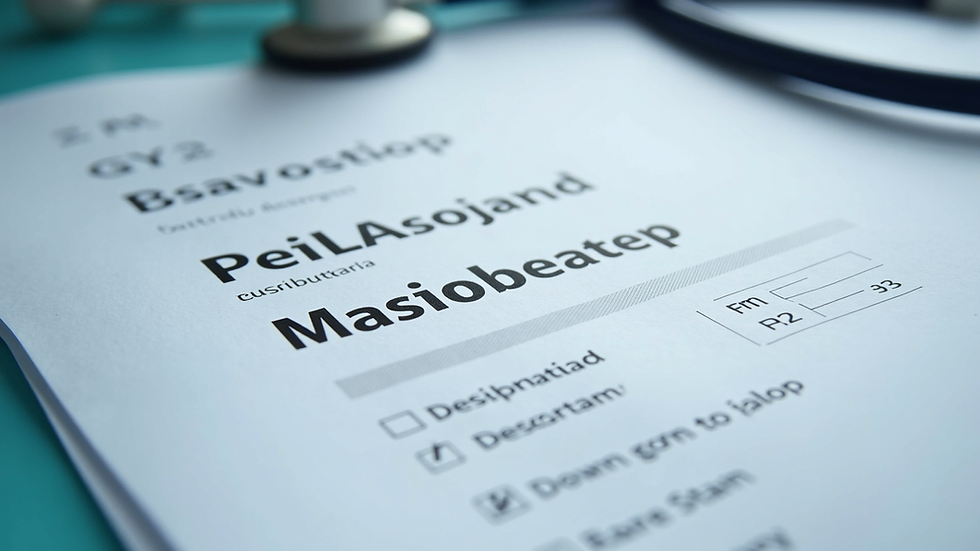
Close-up view of medical documents with multilingual text showing Hebrew, Arabic, and Baltic languages.
How to Approach Localization for Life Sciences
To optimize localization, I recommend a clear strategy that covers these key areas:
1. Use Specialized Life Sciences Localization Services
Working with providers who understand the life sciences field is essential. They know the terminology, regulatory demands, and cultural nuances. For example, Texel offers life science localization services tailored to Hebrew, Arabic, and Baltic markets. Their expertise helps companies avoid delays and ensures content is accurate and compliant.
2. Involve Subject Matter Experts
Translators should collaborate with medical professionals or scientists familiar with the target market. This collaboration improves terminology accuracy and ensures the content meets local standards.
3. Adapt Content Beyond Language
Localization includes adjusting visuals, units of measurement, date formats, and even colors. For instance, some colors may have different meanings in Middle Eastern cultures. Ensuring these details align with local expectations builds trust.
4. Implement Quality Assurance Processes
Review and testing are critical. This includes linguistic review, regulatory checks, and functional testing of digital content. Automated tools can help, but human review remains vital.
5. Plan for Continuous Updates
Life sciences is a fast-changing field. Localization should be an ongoing process to keep materials current with new research, regulations, and market feedback.
Comparing Localization Solutions for Life Sciences
When choosing a localization partner, consider these three types of services:
| Service Type | Description | Best For | Example Provider |
|--------------|-------------|----------|------------------|
| Full-Service Localization | Handles translation, cultural adaptation, regulatory compliance, and quality assurance. | Companies needing end-to-end support | Texel’s life science localization services |
| Translation Only | Focuses on converting text from one language to another without cultural or regulatory adaptation. | Simple documents or internal use | Generic translation agencies |
| Technology-Driven Localization | Uses AI and automation to speed up translation and updates. | Large volumes of content with frequent changes | Specialized software providers |
Full-service localization is usually the best choice for life sciences because it covers all critical aspects. Texel, for example, combines linguistic expertise with industry knowledge to deliver reliable results.

Eye-level view of a scientist reviewing a translated clinical trial report to ensure accuracy.
Best Practices for Launching Life Sciences Products in New Markets
Localization is just one part of a successful market entry. Here are some practical tips to complement your localization efforts:
Start early: Begin localization during product development to avoid last-minute delays.
Engage local stakeholders: Work with local healthcare professionals, regulators, and patients to validate content.
Test with target users: Conduct usability testing of translated materials to ensure clarity and acceptance.
Train your team: Educate marketing and sales teams on cultural differences and localized content.
Monitor feedback: Collect and analyze feedback from local users to improve future content.
These steps help build credibility and smooth the path to market success.
Why Choosing the Right Localization Partner Matters
Selecting a partner with proven experience in Hebrew, Arabic, and Baltic life sciences markets makes a big difference. They understand the nuances and can guide you through complex regulatory landscapes.
Texel stands out by offering tailored solutions that combine linguistic precision with deep industry knowledge. Their life science localization services help companies launch products on time and with confidence.

High angle view of a localization team collaborating to adapt life sciences content for new markets.
Optimizing localization for life sciences is a critical step for companies expanding into Hebrew, Arabic, and Baltic markets. It requires specialized knowledge, careful planning, and the right partners. By focusing on accuracy, compliance, and cultural fit, you can ensure your products reach new audiences effectively and safely.
If you want to avoid delays and deliver precise, compliant content, consider working with experts who specialize in life sciences localization. This approach will help you build trust, meet regulatory demands, and succeed in these growing markets.


Comments